

A clean home is more than just visually pleasing — it directly affects your comfort, mood, and overall health. Regular general housekeeping helps create a peaceful environment, reduces the spread of germs, and supports both physical and mental well-being. In today’s busy lifestyle, maintaining a clean and organized home is not just a chore; it’s an essential part of healthy living.
Introduction to Regular General Housekeeping



Regular general housekeeping refers to routine cleaning and organizing tasks that keep your home hygienic, safe, and pleasant. It includes everyday chores like sweeping floors, wiping surfaces, doing laundry, washing dishes, and decluttering spaces.
Unlike deep cleaning, which is done occasionally, general housekeeping focuses on maintaining cleanliness on a daily or weekly basis. This consistent effort prevents dirt, dust, and bacteria from building up over time.
How Housekeeping Improves Physical Health
A clean home significantly reduces exposure to harmful allergens, bacteria, and pollutants that can affect your health.
Reduces Allergies and Respiratory Issues


Dust, pet dander, and mold spores can easily accumulate inside homes. Regular dusting, vacuuming, and washing bedding help minimize allergens that trigger sneezing, asthma, and breathing problems.
Clean floors and furniture also improve indoor air quality, making it easier to breathe — especially for children and elderly family members.
Prevents Germs and Infections
Kitchen counters, bathroom sinks, and frequently touched surfaces can harbor bacteria and viruses. Routine cleaning and disinfecting lower the risk of food contamination and infections. Simple habits like wiping kitchen surfaces and sanitizing doorknobs can make a big difference in keeping your household healthy.
Controls Pests
Crumbs, spills, and clutter can attract insects and rodents. Regular housekeeping eliminates food sources and hiding places for pests, reducing the chance of infestations and related health risks.
The Impact of a Clean Home on Mental Well-Being
A tidy home doesn’t just protect your body — it also supports emotional and mental health.
Reduces Stress and Anxiety

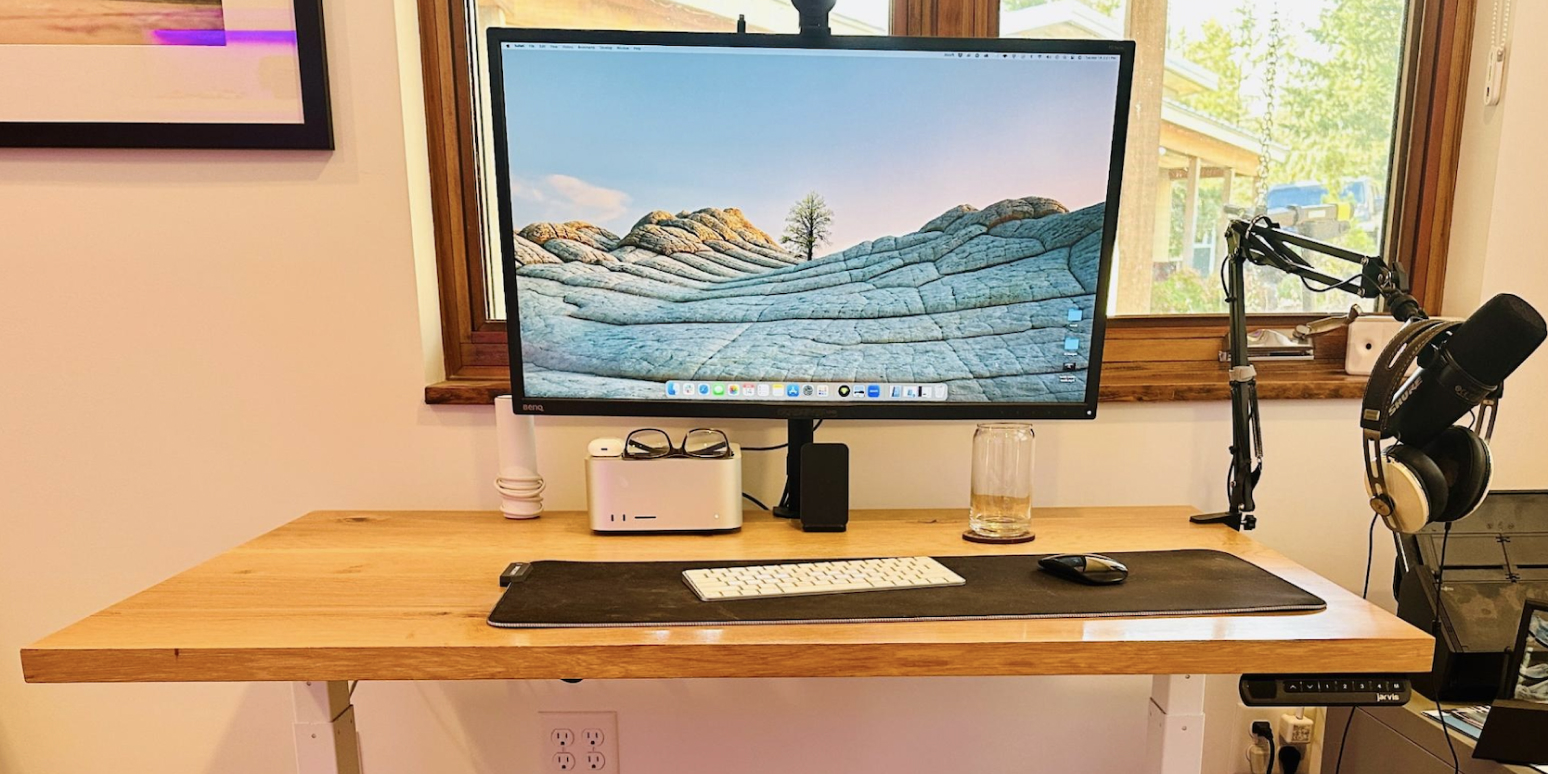

Cluttered environments can make your mind feel overwhelmed. A clean, organized space promotes a sense of control and calmness. When your surroundings are neat, your brain processes less visual chaos, helping you feel more relaxed.
Improves Focus and Productivity
Whether working from home or managing daily tasks, a tidy environment reduces distractions. Clean desks, organized kitchens, and uncluttered living spaces make it easier to concentrate and be productive.
Promotes Better Sleep
Sleeping in a clean bedroom with fresh sheets and dust-free air creates a more restful atmosphere. Clean surroundings signal relaxation to your brain, improving sleep quality.
Enhancing Comfort Through Regular Cleaning
Comfort at home comes from both physical cleanliness and a sense of order.
Creates a Pleasant Living Environment


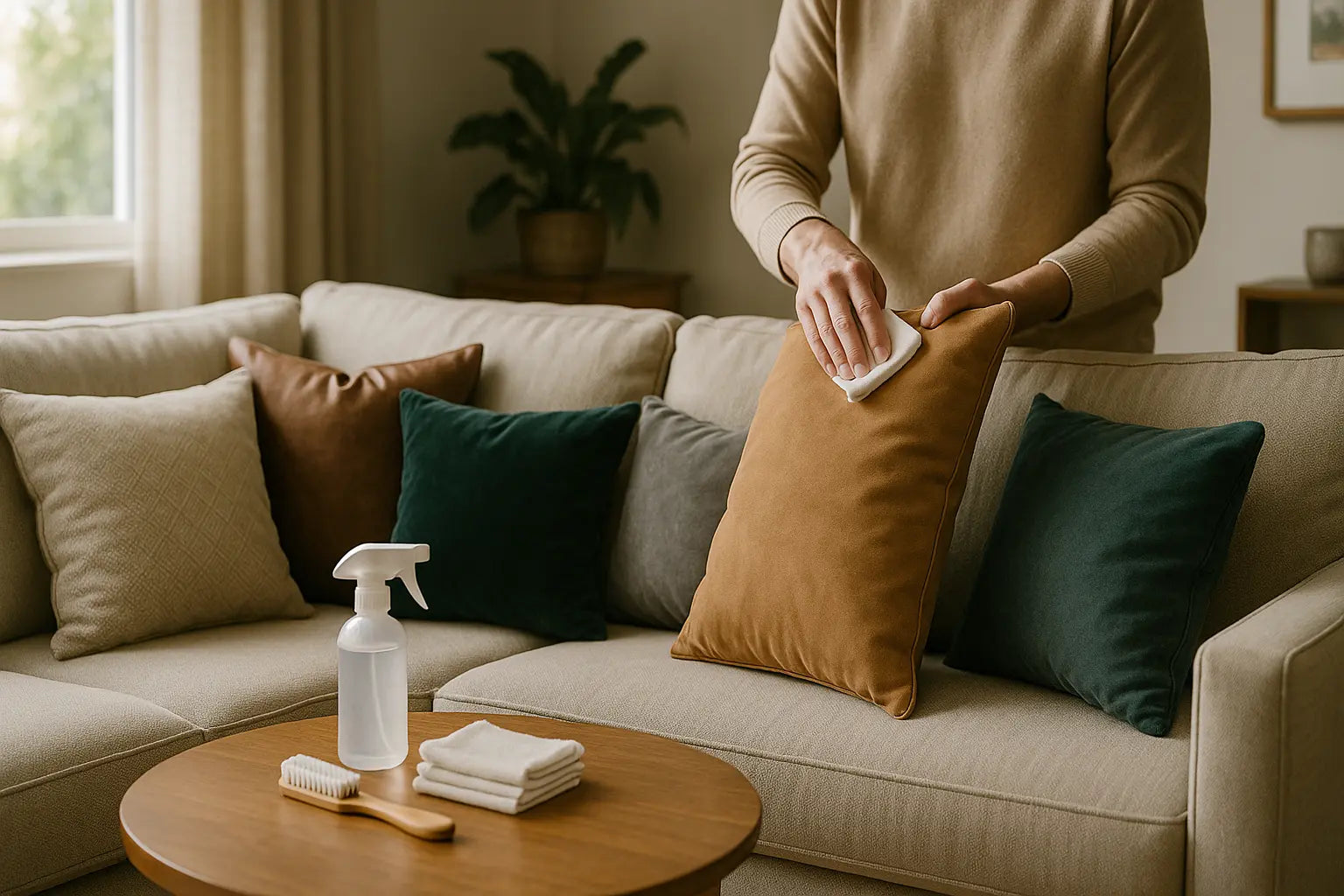
Fresh-smelling rooms, clean floors, and neatly arranged furniture make your home feel inviting. You’re more likely to enjoy spending time in a space that looks and feels comfortable.
Makes Daily Life Easier
When everything has its place, you spend less time searching for items. Organized kitchens, closets, and storage areas simplify everyday routines and reduce frustration.
Encourages Positive Habits
A consistently clean home motivates everyone in the household to maintain good hygiene and organization habits, creating a healthier lifestyle overall.
Important Areas That Need Regular Housekeeping
Kitchen
The kitchen requires daily attention. Washing dishes, wiping counters, and taking out the trash prevent bacteria buildup and unpleasant odors.
Bathroom
Bathrooms should be cleaned and disinfected regularly to prevent mold, mildew, and the spread of germs.
Living Areas
Dusting furniture, vacuuming carpets, and organizing clutter keep shared spaces comfortable and welcoming.
Bedrooms
Washing bedding, decluttering surfaces, and ensuring good ventilation improve air quality and sleep comfort.
How Often Should You Do Housekeeping?
Consistency is key. Daily tasks may include dishwashing and surface wiping, while weekly tasks could involve vacuuming, mopping, and laundry. Monthly or seasonal tasks may include deep cleaning appliances, washing curtains, and organizing storage areas.
Creating a simple cleaning schedule helps maintain balance and prevents chores from piling up.
Tips for Maintaining a Clean and Healthy Home
-
Declutter regularly to avoid unnecessary mess
-
Use natural light and ventilation to keep air fresh
-
Store cleaning supplies where they are easy to access
-
Involve family members in simple daily tasks
-
Clean spills immediately to prevent stains and germs
Small daily efforts lead to long-term comfort and better health.
Conclusion
Regular general housekeeping is not just about keeping your home looking nice — it plays a crucial role in protecting your health, reducing stress, and enhancing overall comfort. A clean home supports better breathing, improved mood, restful sleep, and a more organized lifestyle.
By building simple cleaning habits into your routine, you create a living space that promotes happiness, safety, and well-being for everyone in your household. A healthy home truly starts with regular housekeeping.